a winding path into the brush: the story of Nevada’s State Drink.
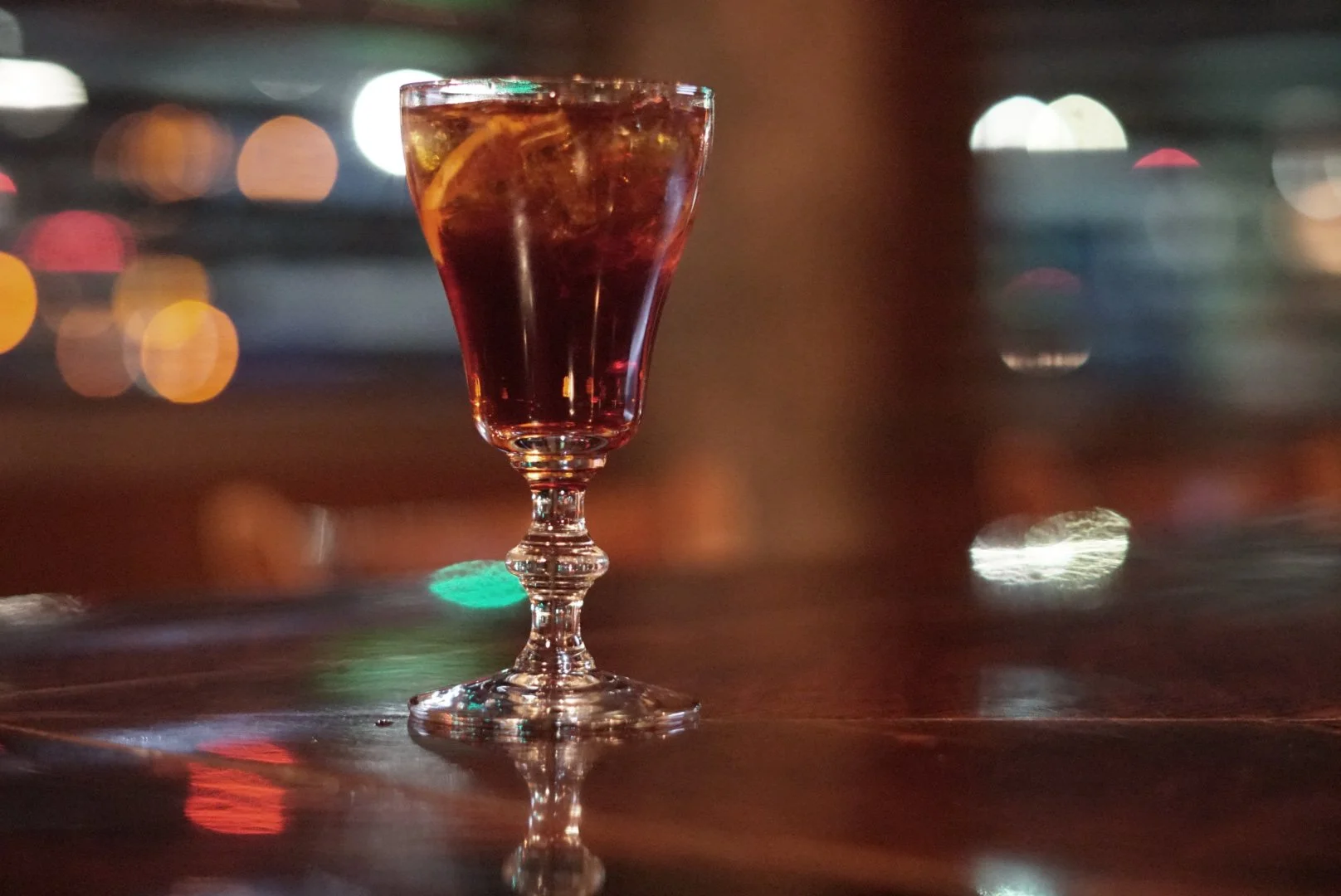
Photo by Luka Starmer 2017 Louie’s Basque Corner • Reno, Nevada
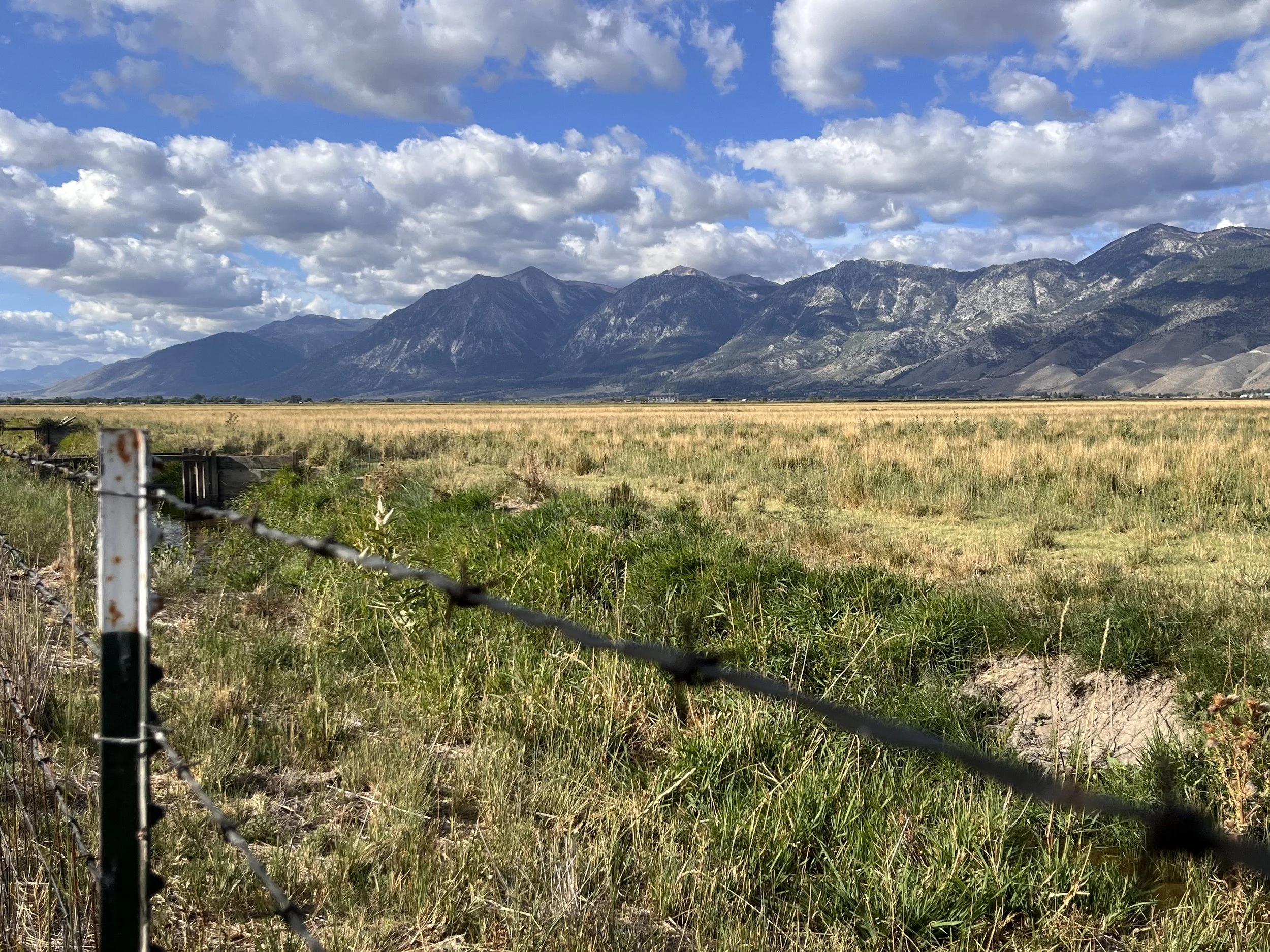
When storms blow in from the coast, the tall, jagged Sierra Nevada act as a sharp fence, ripping open the bellies of the clouds and extracting the water from inside. Much of that rain lands on the western slopes, and joins creeks and rivers to run back through California and into the Pacific. But this side, the eastern side, is in the rain shadow.
The mountains above Gardnerville, Nevada are big, and the high desert flows from the East to butt up against them.
Sage, Rabbit, Bitterbrush.
Some of the rain that falls on the mountains, and especially the snow that drapes the range all winter, some of that lands on the Eastern side of the ridge, over the divide, and instead of flowing back to the sea—it flows inland. This is the Great Basin and all water flows in, not out.
Here, wet places are rare and coveted and often appear as a vein of green quaking leaves in the crease of the hills where a creek has formed. These creeks eventually run into the sagebrush and dissipate in a desert sink or a terminal lake but first they feed the aspen groves and the meadows and the grass.
From the main street of Gardnerville, I can see those green creases of aspen on the Sierra, and then… I duck into the JT.
The Picon is a cocktail that you can only define by describing what’s around it.
••
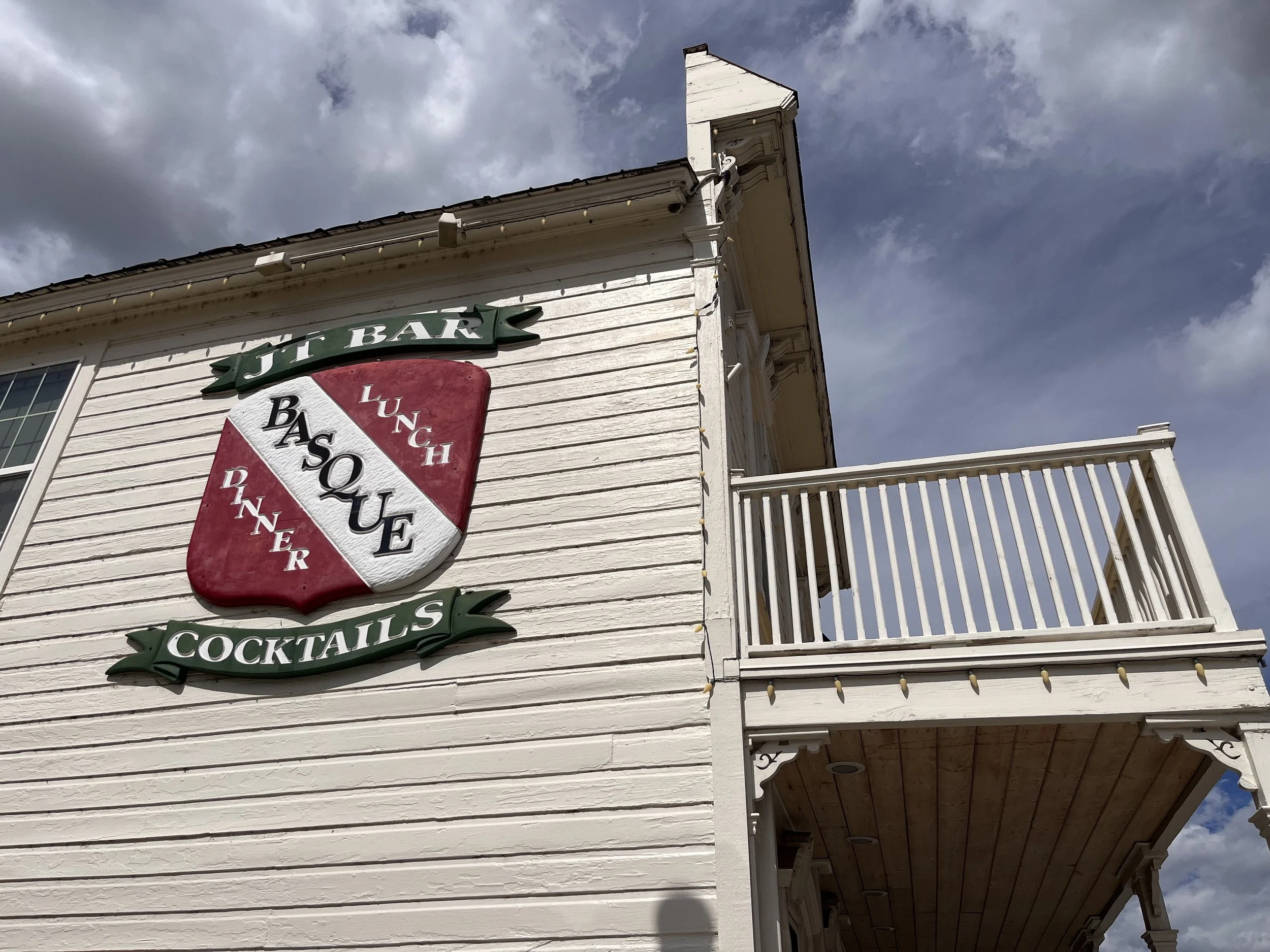
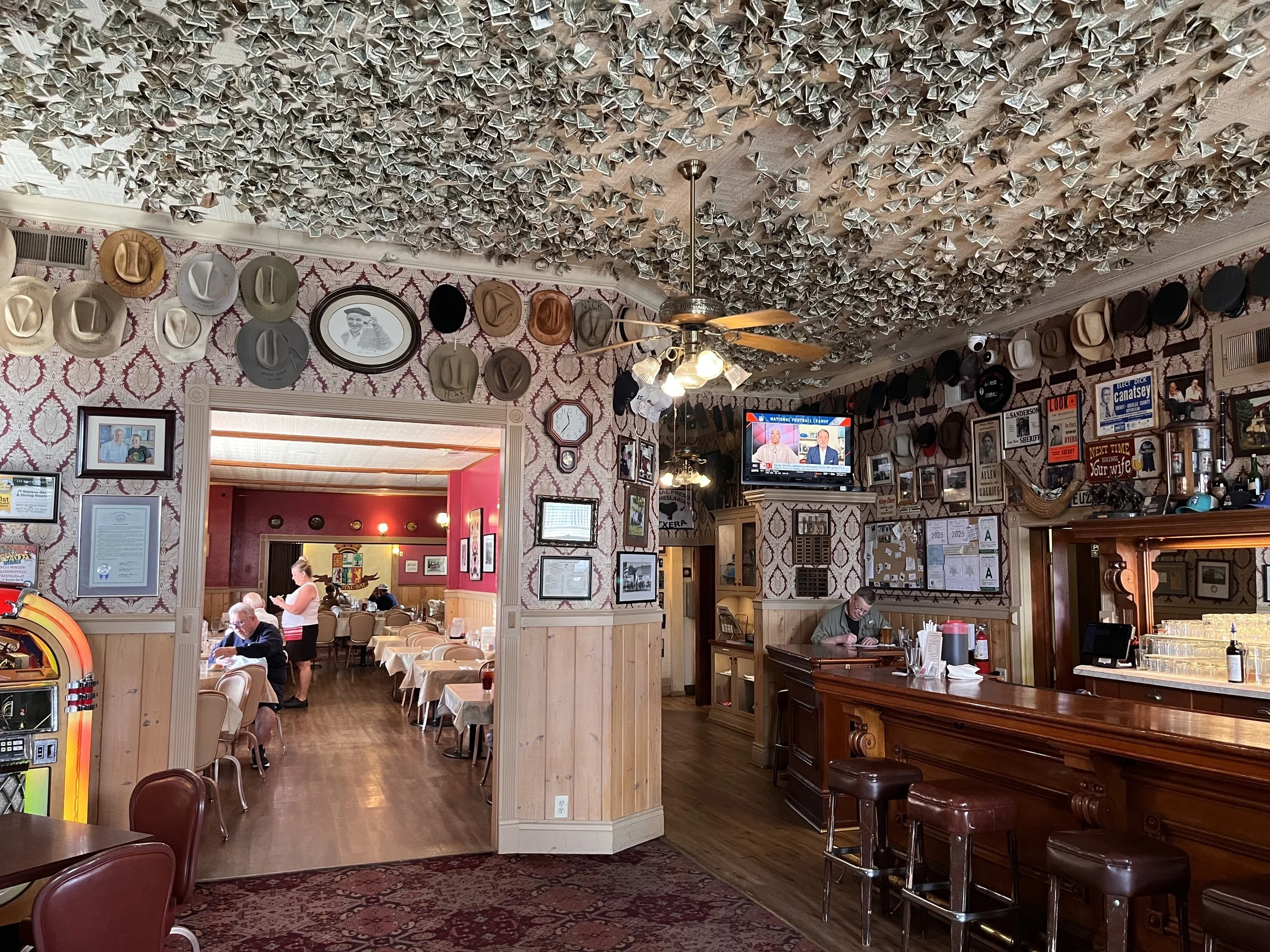
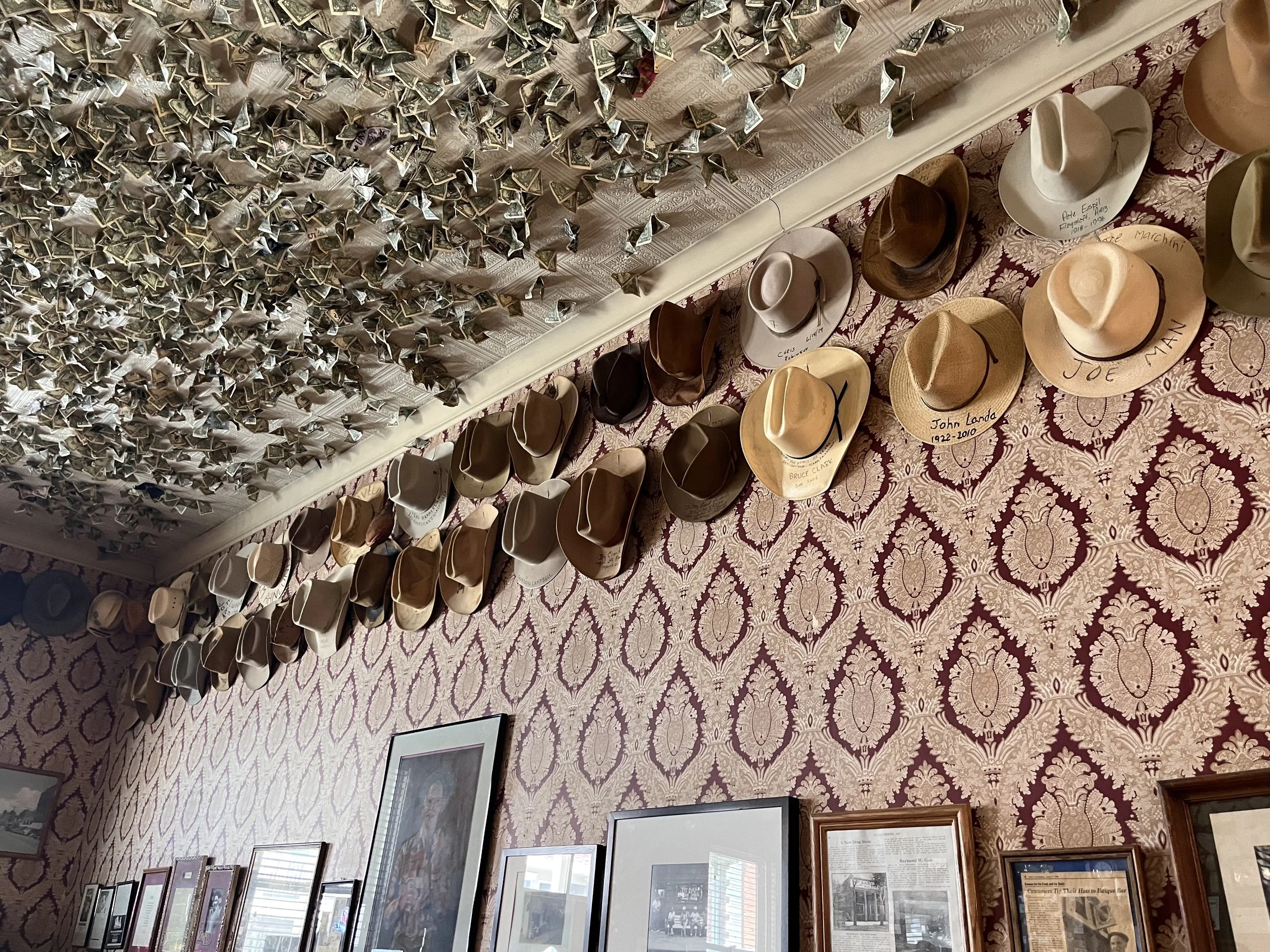
Inside the JT Basque Bar and Dining Room in Gardnerville, Nevada , cowboy hats, berets, and baseball caps hang over the wallpaper; dollar bills obscure the ceiling.
Marie Louise Lekumberry: The JT, as with other basque houses sprinkled across the American west, all started out as boarding houses. We were places where newly arrived immigrants could come make contact with an innkeeper who spoke their language. A place that had food that they were familiar with. A place where they could make connections to get jobs. A kind of home away from home for immigrant basques who were mostly coming over to herd sheep.
Marie Louise Lekumberry co-owns the place with her brother JB. Their dad bought it in 1960. At the time the JT was just one of many Basque hotels scattered across the West. There are fewer now, but still a handful. A lot of Basques, from the mountainous region between France and Spain settled here at the foot of tall mountains in Nevada.
Ettienne Lekumberry:: It's this very ancient people with this very ancient language and these very ancient, well-maintained traditions and customs set against the backdrop of the Sierra Nevada. Set against the backdrop of the sea of sagebrush.
Etienne Lekumberry, Marie’s nephew, has been tending bar here since he was 21, and he’s taken on a bigger role lately in running it.
Ettienne Lekumberry: And, you know, as we all know, being Nevadans, the landscape we inhabit makes as much of an effect on us as we do upon it, you know?
The bar and restaurant is a rare place that feels like it’s carved out a sort of refuge from current trends in aesthetics, and profit-first (or profit-only) business practices. It has one TV, and it’s fairly small and old and it’s up in a spot where you kind of have to crane your neck to see it. People check the score of whatever big game is happening, but it’s not blasting commercials in your face, and no one’s sitting there watching on autopilot.
There’s also carpet in the bar, which taken with the old hats on the wall act as an incredible acoustic damper; so everyone’s talking to everyone else and it’s lively but you can hear everything clearly. There’s no fake-wood printed vinyl, it’s not trying to be anything, it just is, and you walk in and see your high school history teacher and a guy you used to work construction for and you pull a stool up to the bar and you order a Picon Punch.
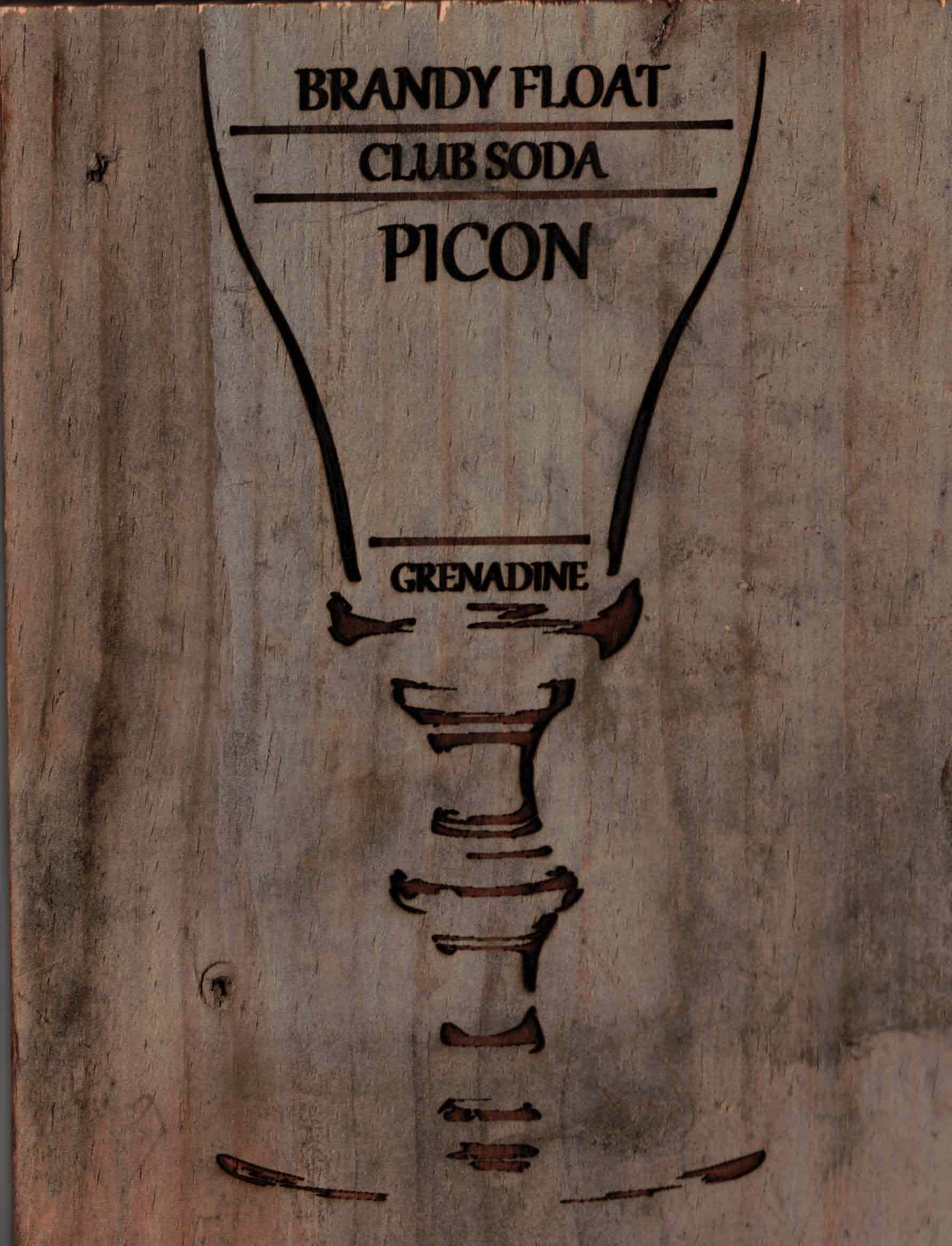
From Picon Drinkers of the American West
Marie Louise Lekumberry: In today's parlance, I would say… it's very spirit forward. (laughing) Back in the day we would say, “Careful, it packs a punch!”
Etienne Lekumberry: It's called a Picon, P-I-C-O-N. And it has nothing to do with A-P-E-C-A-N, the nut, right? It's a dash of Grenadine, a shot of a Amer Picon, which is an orange rind liqueur, a splash of club soda with a float of brandy and a lemon twist.
Most of the cocktail is one ingredient: Amer Picon. That’s where the name comes from and also where all the drama is. It’s a French liqueur named for it’s inventor Gaétan Picon who concocted it in Algeria in 1837 from Orange Rind, Gentian Root and Chinchona bark among other secret ingredients. Amer is the french word for bitter, similar to its Italian counterpart amaro. In the late 19th century into the early 20th it was a popular aperitif in France.
Marie Louise Lekumberry: I imagine that, you know, a lot of the Basques coming from the French side of the Basque country, um, in the Basque hotels, that that was, uh, a liqeur that was imported because they were there.[00:09:41] And some, somebody came up with the cocktail
The earliest mention I could find was from Visalia, California in 1895. Nobody knows exactly where it was invented.
Marie Louise Lekumberry: Probably in some Basque house probably in California.
From there, it spread inland.

The earliest mention I could find of the Picon Punch cocktail - Visalia, Calif. May 17 1895 (pg. 4)
Marie Louise Lekumberry: And because there's this network of Basque hotels sprinkled across the west where there were sheep herdng, um, the cocktail spread to all of the other Basque houses.
For a long time, the Picon Punch was made by default with Amer Picon. But there were a few other options starting in the mid 20th century, including Amer Segalas and Torani Amer both made in California. The latter was made by the company Torani which you might recognize from their coffee syrup flavoring.
Marie Louise Lekumberry: Our bar, like a lot of Basque bars — in the well we served Torani Amer. If you wanted the call drink, if you wanted a “call” Picon, we had the imported Amer Picon back behind the shelf, and you could order that and pay a little more for that. Here in Gardnerville, most everybody was satisfied with the, what we call the domestic Amer, and we proudly served it.
At the bar, I’ve always heard that the original Amer Picon was banned in the 70s due to a psychoactive ingredient, and story goes that’s how Torani became the Amer of choice. You’ll see this repeated all over the internet, and confidently stated in the AI overviews. But I dug deep into this claim, and it’s much more complicated, and in my reading, unlikely.
I spoke with the US Department of Health and Human Services who said quote “Amer Picon is effectively banned in the U.S. because it contains Calamus root, which is prohibited by the FDA” however I believe they just googled it too. They could not provide documentation that Calumus was ever in Amer Picon, that the recipe changed, nor could I independently verify that.
Calumus was banned in 1968, for being apparently carcinogenic, not pyschoactive… but I could find no evidence of interruption in Amer Picon sales in the US in the 60s or 70s. If there was Calamus in the recipe, they would have removed it without anybody noticing, as they continued distributing in the US into the early 2000s. That deflates the claim that Torani took over when the original was banned. It seemed to be a slower and less clear-cut process.
That said, there was a different change to the aperitif in the 1980s: Amer Picon simply began making weaker liqueur. The original recipe, and Torani’s recipe, was a full 39% ABV. In the early 80’s Amer Picon lowered their recipe to 32%, and then again by 1984 down to just 21%; closer to a vermouth. Torani meanwhile stayed the same ABV, and probably tasted closer to the original than the lower proof versions of the name brand. All of this, PLUS Torani was already available in many of the Basque Houses across the west anyway. So that’s my theory.
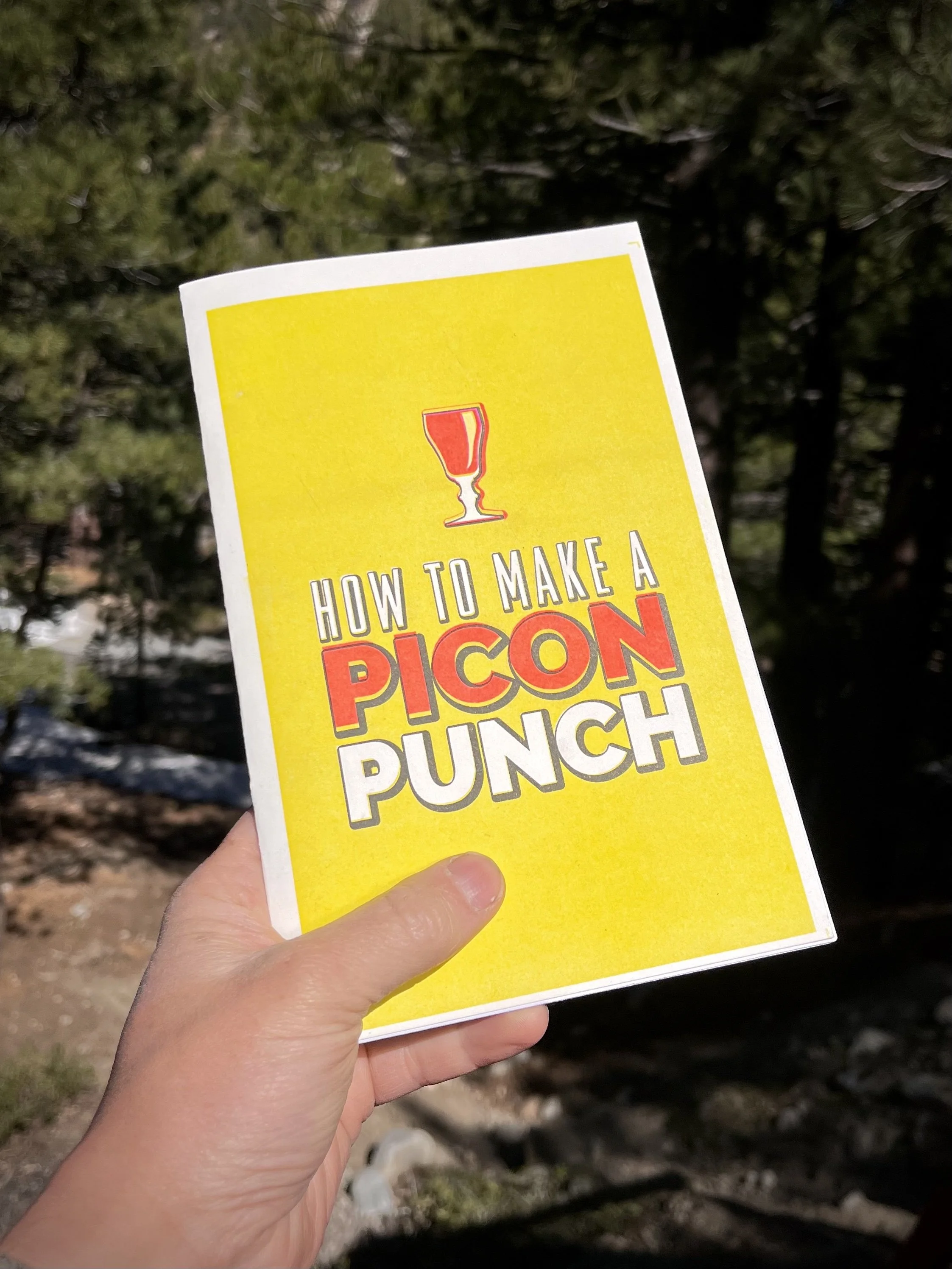
This is a Zine companion to the Wind episode Picon Punch. The cover may vary slightly, depending on printing capabilities, and I’ll be printing and assembling them next week. I’ll ship them as soon as they’re finished!
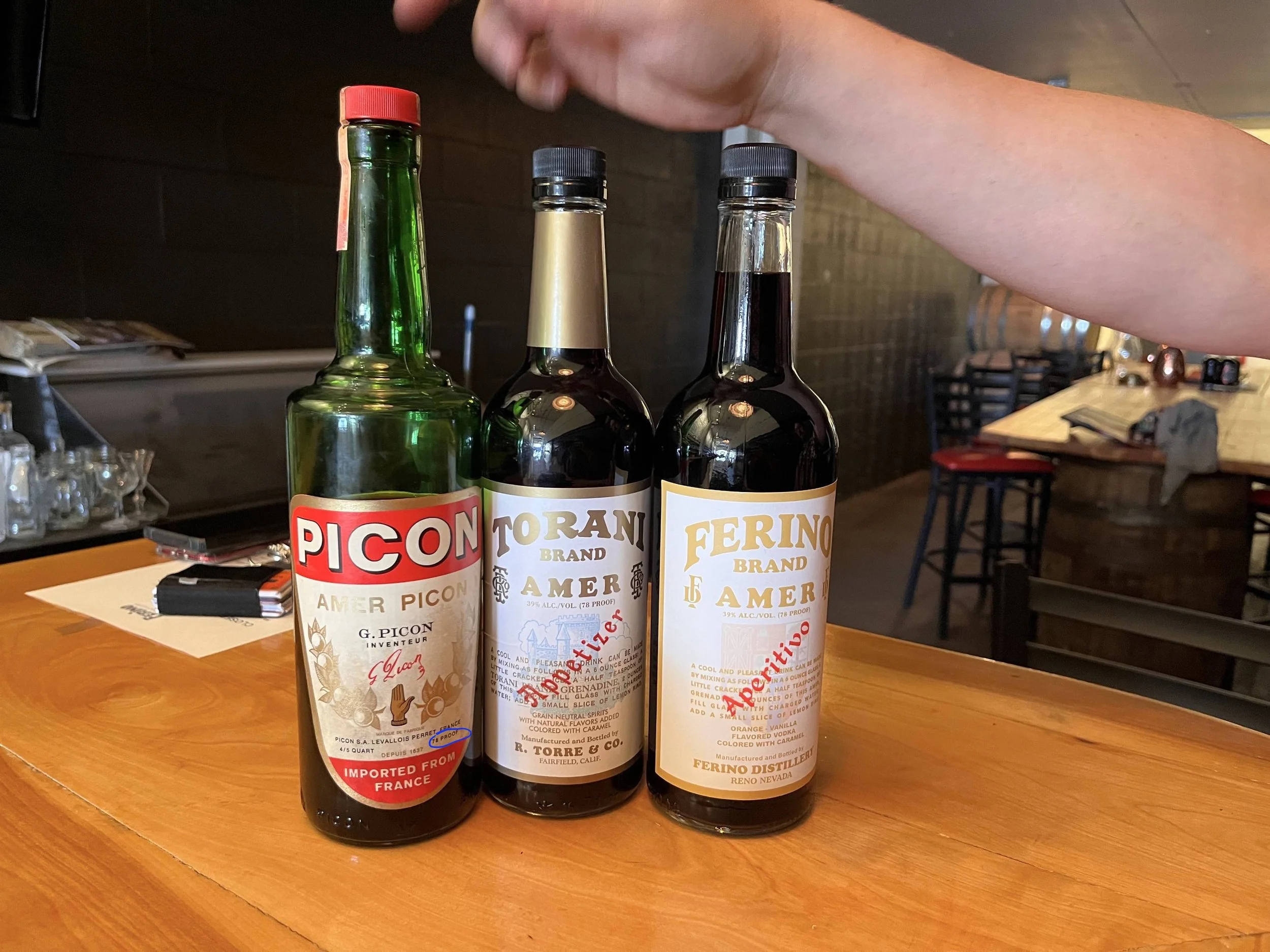
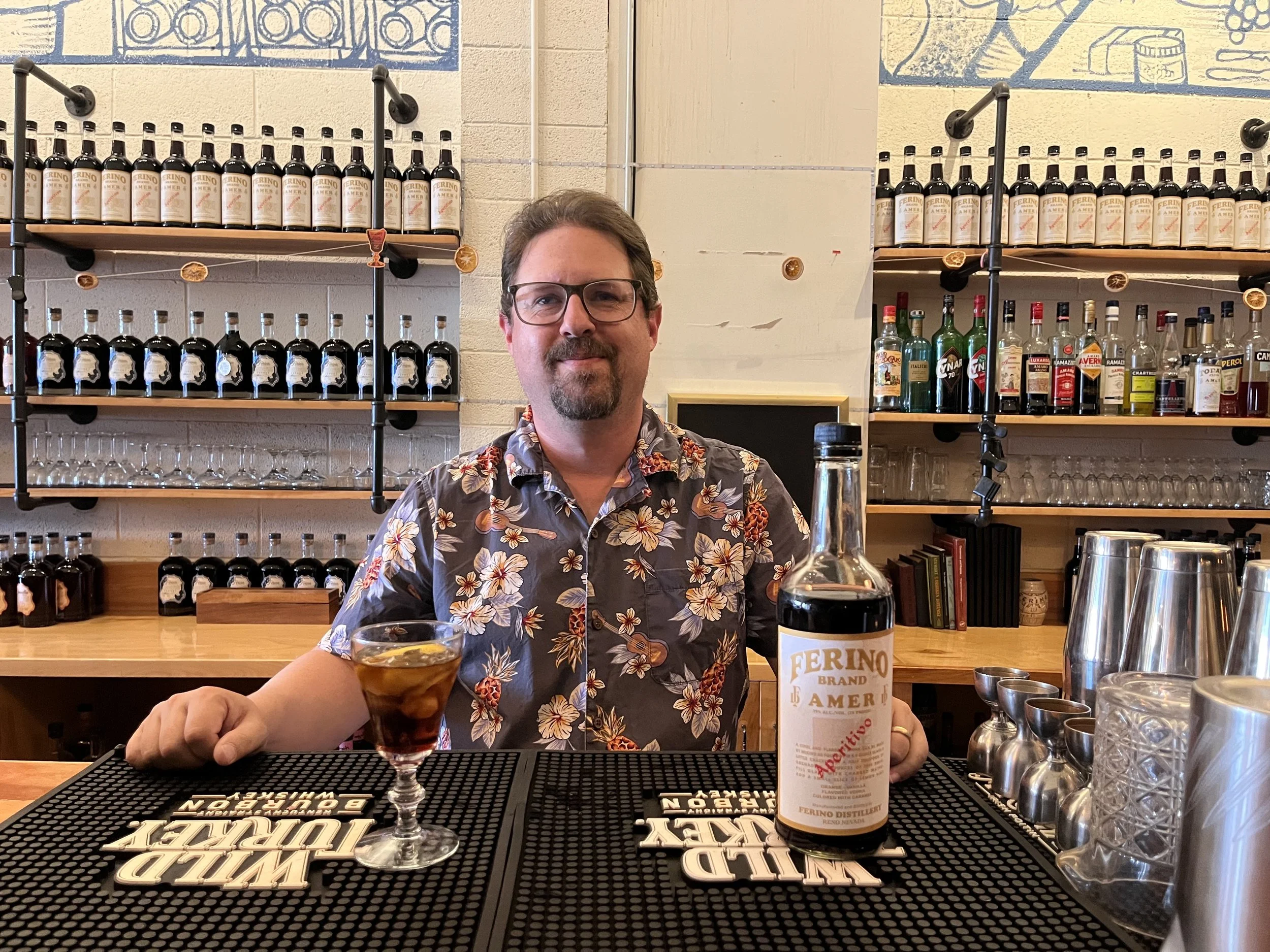
Original Amer Picon, then Torani Amer and the new Ferino Amer.
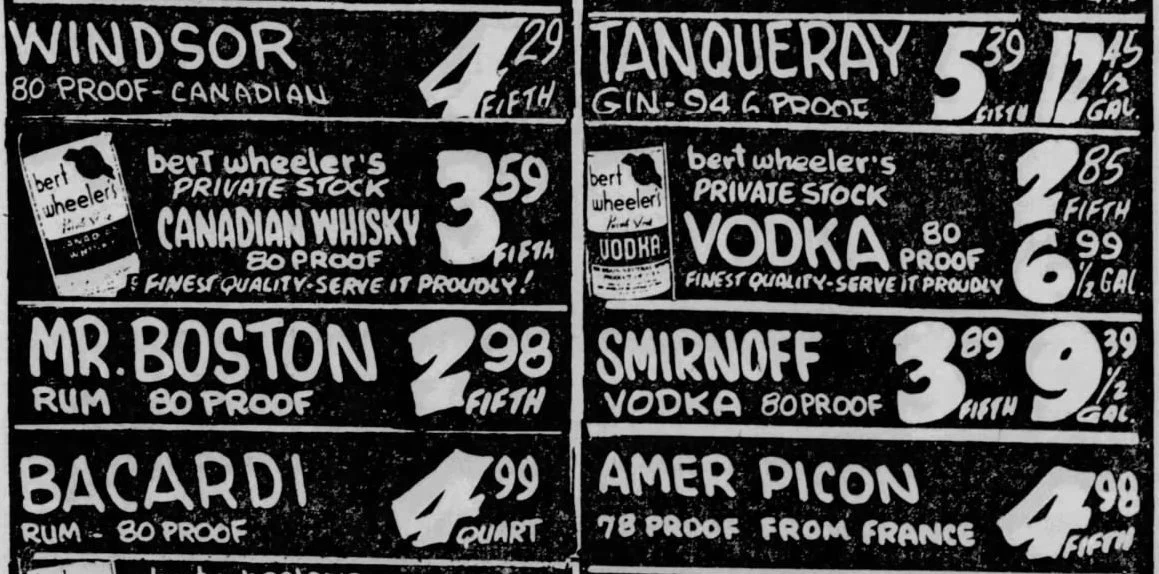
A newspaper ad for Amer Picon at its origina 78l Proof (39% ABV). It changed between 1981 and 1984 to 42 proof (21%)
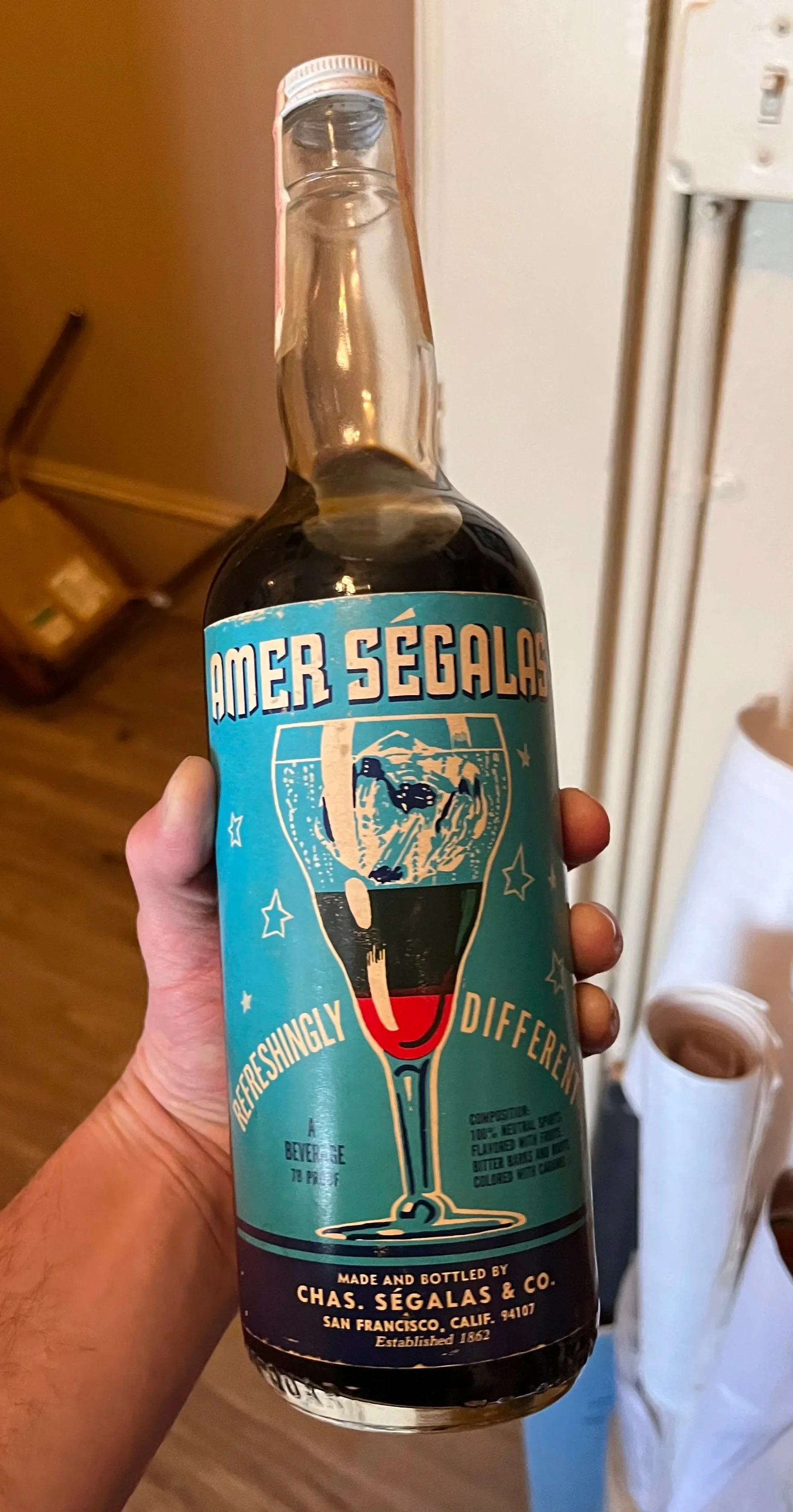
A photo of Amer Ségalas, manufactured in San Francisco. A competitor to Torani Amer but it stopped productions I believe in the 1970s.
Torani Amer made by the coffee syrup company in San Francisco, eventually became the sole acceptable main ingredient in Basque houses across the west. And so it would be for many years to come.
Until the summer of 2024.
Chris Barkley: One day we just didn't get Torani
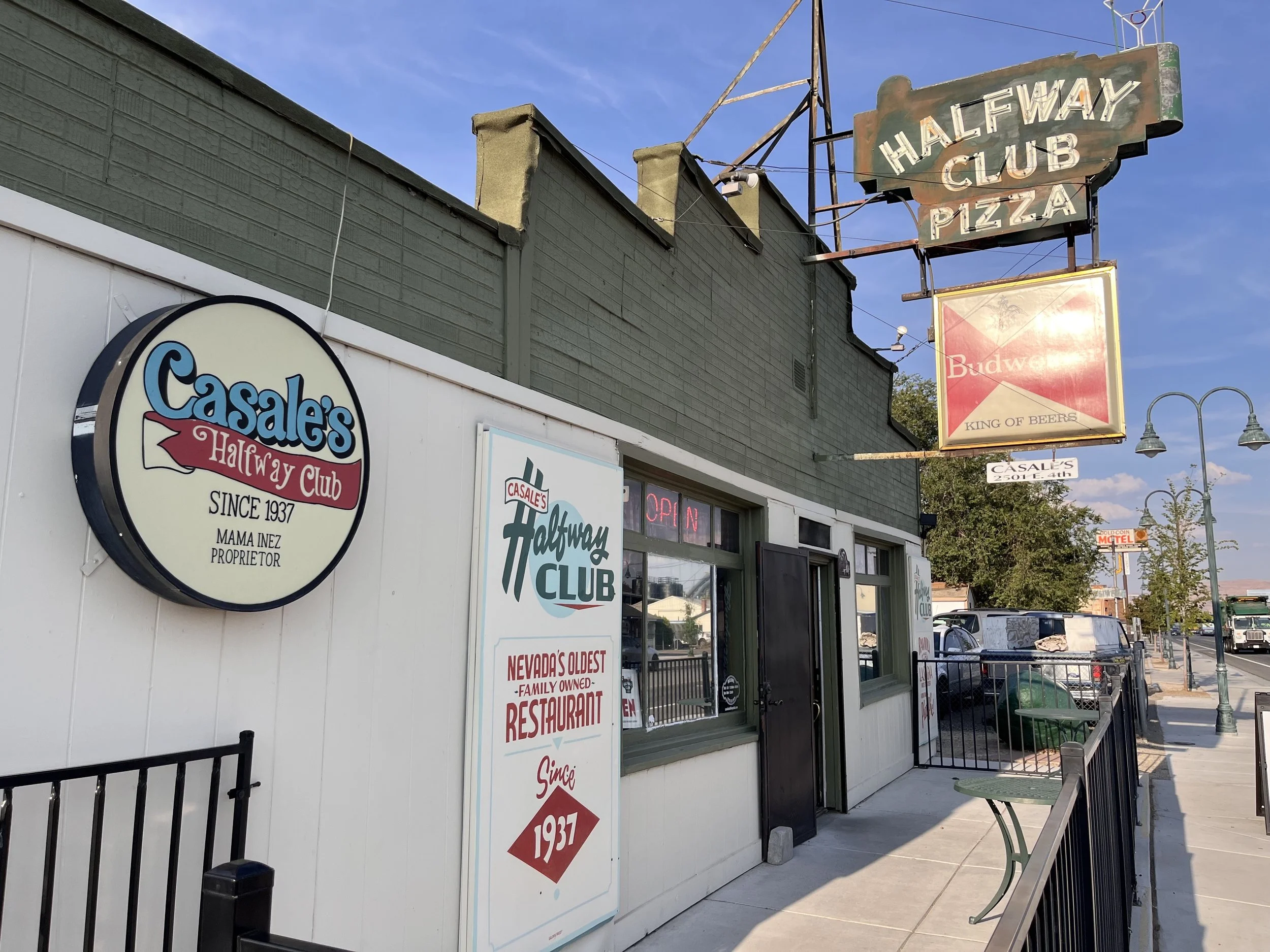
Chris Barkley tends bar at Casale’s Halfway Club in Reno. It’s an old school Italian joint with checkered table cloths and red leather booths and signatures all over the walls.
Chris Barkley: You see a brown cocktail sitting in front of you on a wood bar and it just kind of works. You know, aesthetically, I would say it does work.
The restaurant is an old 2 bedroom house; the front windows look across the old Lincoln Highway to the railroad tracks, and it’s been family run since the 1930s. A portrait of the late Inez Casale and her son Tony is displayed behind the bar on top of an old cash register, outlined by concentric rings of artifacts from memorable nights: The written scores of dice games from decades ago, photos, license plates, empty bottles of Torani and Malort, fading photos of baseball players, and and here too there is just one small TV tucked into the corner.
Though not a Basque house, Casale’s is a place people specifically go for a Picon. It was the first place that I ran into the shortage.
Chris Barkley: Nobody really knew for a couple weeks what was going on until I eventually heard through a rumor mill that there was something in the ingredient with the Torani Amaro (sic) that they couldn't ship over state lines from California. So it was difficult to find anywhere here in town unless you found a place that had a stockpile of it and you could maybe go barter and buy some off of them or something like that…It was really find anything, damn near impossible. And when you try to find the substitute for it, it just wasn't working.
Fil Corbitt: what were you feeling as a bartender who serves a lot of these things?
Chris Barkley: I mean, it's obviously a big disappointment for me at least. 'cause I, I like to make sure my customers get the drink they want. And especially when we are known for our Picons here — when you tell 'em our signature cocktail I can't make for you because I don't have the ingredients for it, it's obviously a very difficult discussion to have with people coming in. During that time it was just a lot of anger by a lot of people.
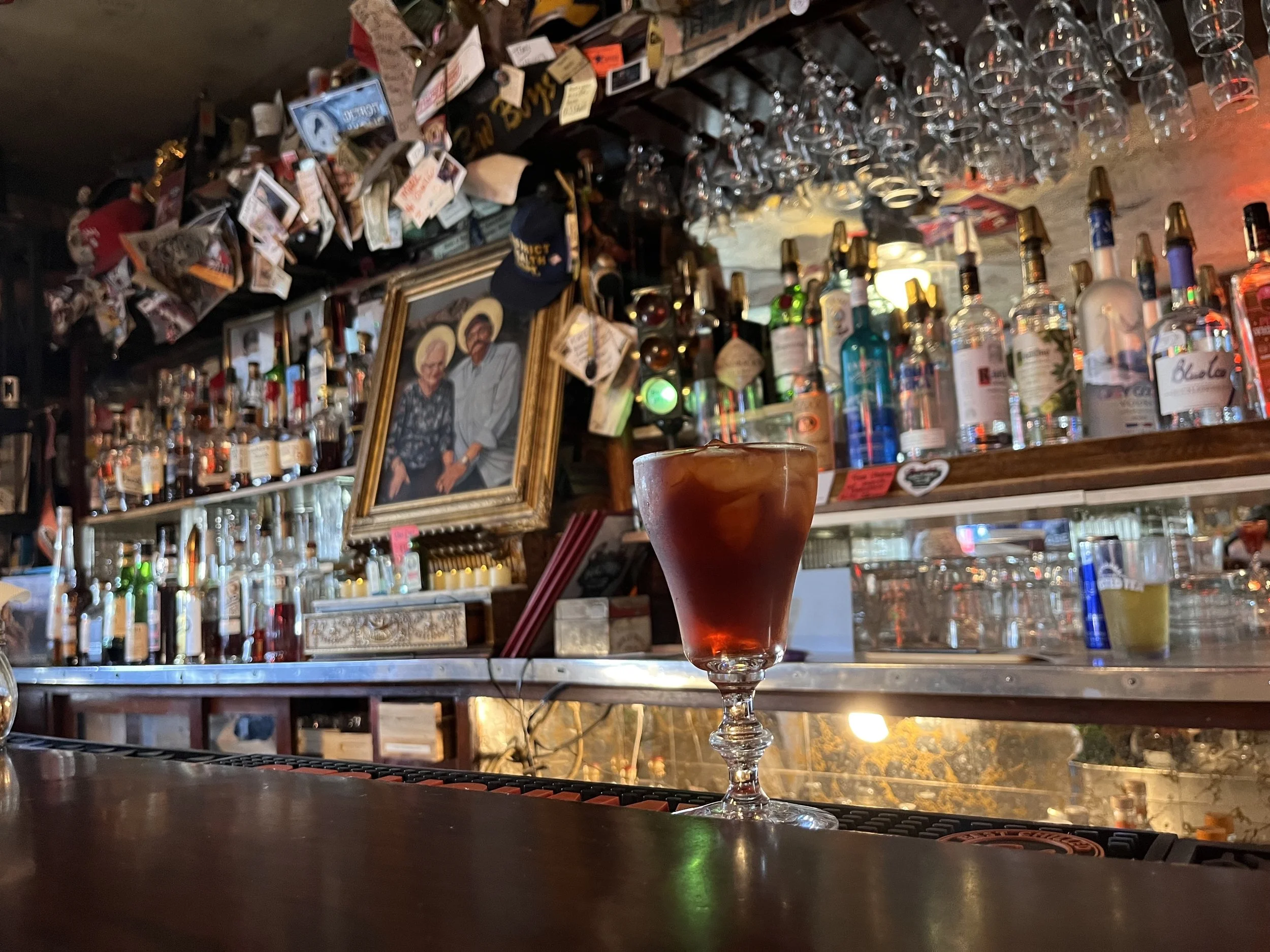
The Picon Punch has a poetic resonance with Northern Nevada. It’s quite brown, often maligned and almost always explained as an “acquired taste”…but once you learn to find the subtlety, it is really quite lovely. It is an unmeasured drink, the recipe is passed down orally, so it tastes different wherever you order it, and depending on who’s there. The main variant is Elko Style without club soda. But it’s the small changes between places that really flavors the thing.
The cocktail is a symbol of something intangible here. It doesn’t work well in a shiny new bar with vinyl floors and LED lights and big TVs, but it doesn’t work in every old bar either. It’s all about context, and also I think, it doesn’t work with other Amers. During the drought, people began to sub in others but they were all too sweet, and pleasant, and to my palette didn’t reflect the landscape at all. Lush french oil painting instead of scratches on your legs from running through the brush.
Those Amers made a drink a tourist would like on the first sip: which I don’t say as an affront to travelers, but as a crucial part of the process of this place: the unfolding path into the sage.
After a couple months of the shortage, Torani was able to regain certification and they started shipping again. But rumors swept across the Great Basin that the whole ordeal shook Torani’s dedication to the Amer. Now a coffee syrup company, it was the last alcoholic beverage they produced. And if they sold it, or just shut down production, who knows what would happen.
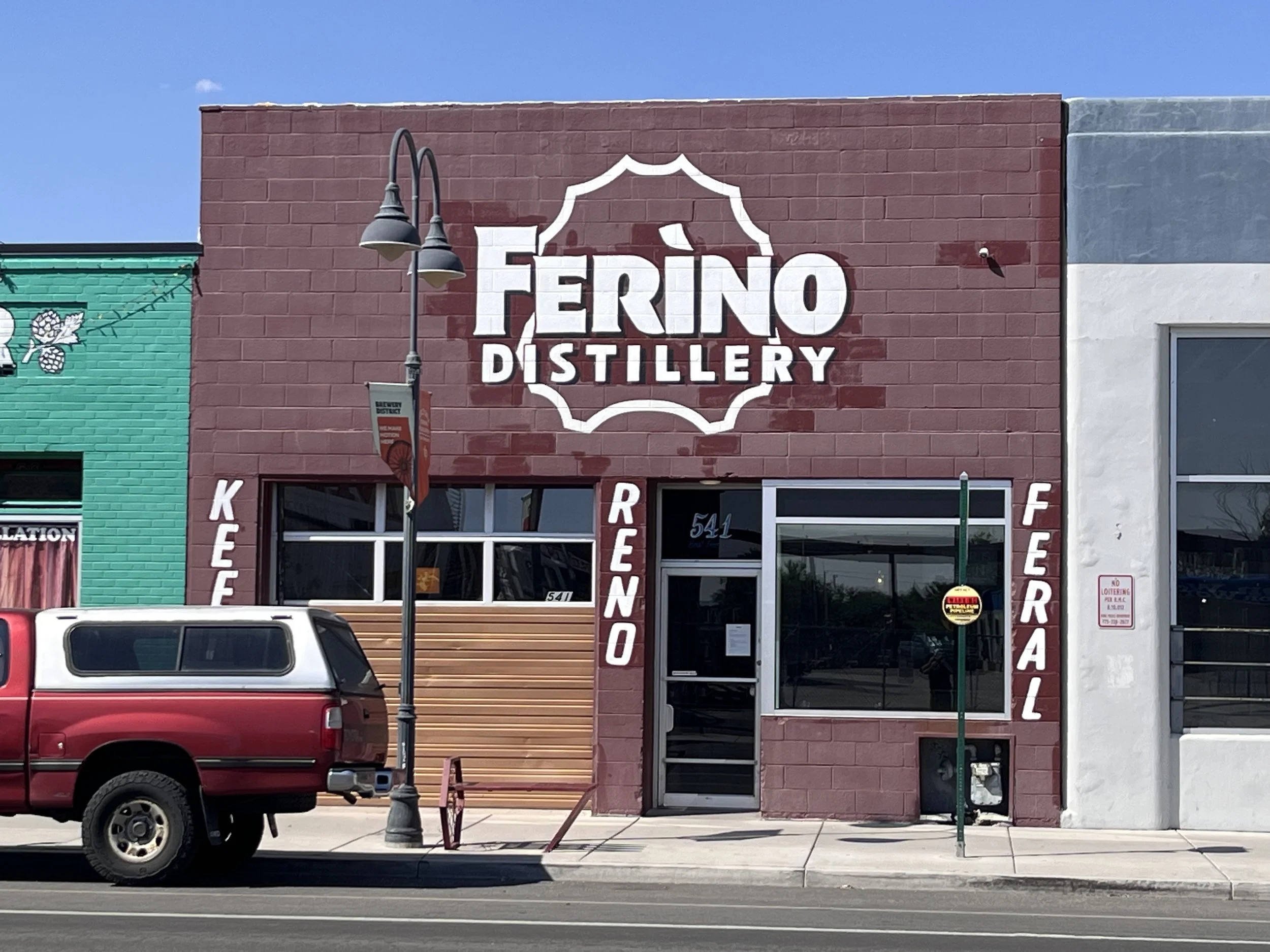
Fil Corbitt: The story I've heard goes that Torani wanted to get rid of the recipe. And that they sent basically like secret scouts to go to a bunch of distilleries and kind of feel 'em out and see where it might be most at home. And that eventually somebody came here and chose here. Is that the actual story is that tall tale?
Joe Canella: That sounds, that's, that's pretty accurate…. Torani did their homework and then eventually just very innocently reached out on our website. Like on the “contact us” form.
Joe Canella owns Ferino Distellery in Reno, Nevada, just down the street from Casale’s Halfway Club. It’s a small distillery that specializes in Amaros and Fernets.
Joe Canella: when I got that email, strangely, I just had this really funny feeling deep down that it was going to be something big. I almost got like, really emotional. I mean, I, I got an email through my web form and I kind of got a little emotional.
The rumor mill was right: Torani did want to ditch the Amer. The email was from the company’s international head of operations.
Joe Canella: We started chatting. We signed an NDA and they told me that they were looking for someone to take it on, and the had us in mind, but we wanted to, you know, spend some time feeling it out. In a couple of months we drew up some paperwork and they signed over the recipe.
It’s hard to imagine, at this point in our country’s history, a big company giving away a valuable piece of property of any sort. But they did, free of charge.
The folks I spoke to at the time were cautious with their optimism, but worried that a new distiller might change it or might not get the spirit of the thing.
Fil Corbitt: I got a call from J.B. (Lekumberry) saying, you know, hey, so Torani just got rid of this thing, and it's a guy in Reno and we're having him down to the JT. And the way he described it really quickly over the phone sounded kind of like a meeting of the families. Like it was like all these Basque restaurant owners. What was that dinner like? Do you remember that?
Joe Canella: Yeah. It was wonderful. I mean, it was definitely a little bit of like… we have an now have this important component of this thing—this very important Nevada thing, and obviously Nevada Basque thing.— And here we are… like you said, a seat at the table, so to speak. In my mind I was like, this is very important. We're here mostly to kind of get to know each other. So I, I wasn't trying to talk like too much shop in that first meeting. We literally was just like, “Hey, hi.” You know, I know what's going on and you know what the Torani Amer means, and I understand how important it is. So we all kind of understood the importance of this thing for each other and for the state.
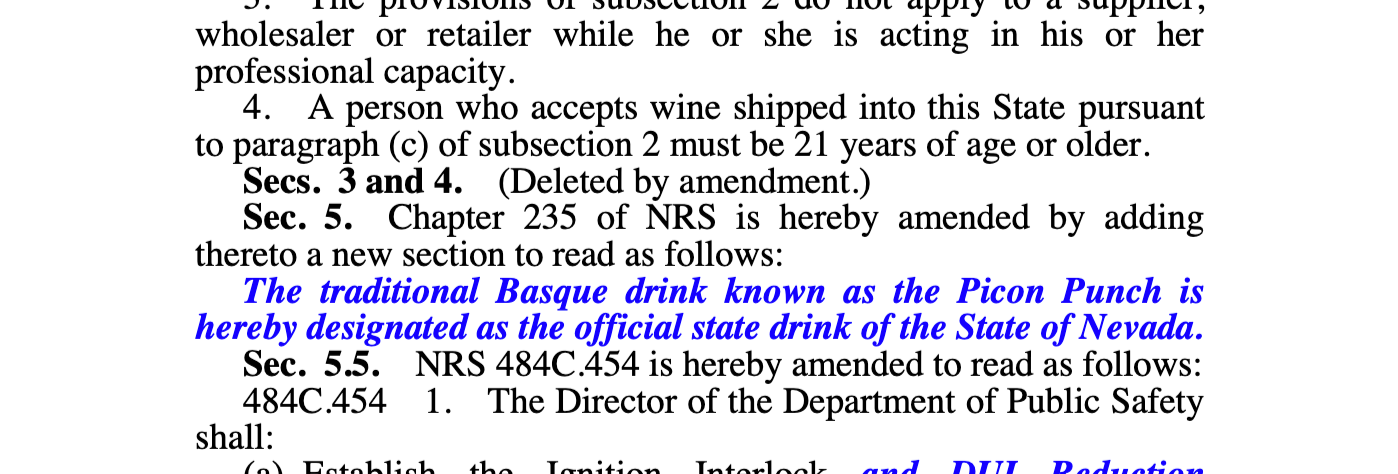
The recipe changed hands and became Ferino Amer. In a strange stroke of cosmic luck or coincidence or something, there was other big news in the world of the Picon. A new push had begun in the state congress to make it the official drink of Nevada.
Similar efforts had failed, several times. There’s a hilarious transcript from 2013 where a state lawmaker asks why on earth they would want to honor a drink that tastes like aviation fuel. But this time, it seemed to have legs. That was mainly because in a legislative juke, it got tacked on to a different bill which would allow bars to sell cocktails to-go, the way they did during Covid. In June 2025, at the very end of the session, it passed.
The Picon Punch is now the official state drink of Nevada.
• • •
After the shortage many places stocked up on Torani, just in case. But almost a year after the switch, that stock has run out and Ferino Amer has now replaced Torani almost every place I’ve been to. It tastes just slightly different—a little brighter—which makes sense changing facilities and landcape, but to my palette it easily passes. And most importantly, it has the right spirit to it.
Marie Louise Lekumberry: It's about paying attention to what's happening around you. You become acclimated. And people coming to Nevada for the first time, they look out and they say there's nothing here. And it doesn't take them very long to feel what that ocean of Sagebrush just did to you. And I would say that's very similar with the Picon punch. You start to get into it and suddenly…you’re there.
The Picon is a drink you can only define by describing what’s around it.
Back at the JT, the summer storm hanging over the Sierra stays where it is, raining into the mountain but not a drop over here in the sagebrush. The evening is warm, the air clear and people begin to stream in for early dinner and 9 out 10 have a Picon in hand.
Etienne Lekumberry: it's almost religious or, at the very least spiritual…. the Picon punch deserves nothing but the utmost respect. You can go too, too far with them, you know? And generally there's a saying, one's not enough and three's too many. Right? It's like…you don't overdo it on the wine at church. You know? You're allowed your sacrament…and it is in no small way a sacrament of the Basque restaurant and boarding house. And it demands and it requires respect.… and two really is the magic number, right? We're giving you one more, one more than the church gives ya!

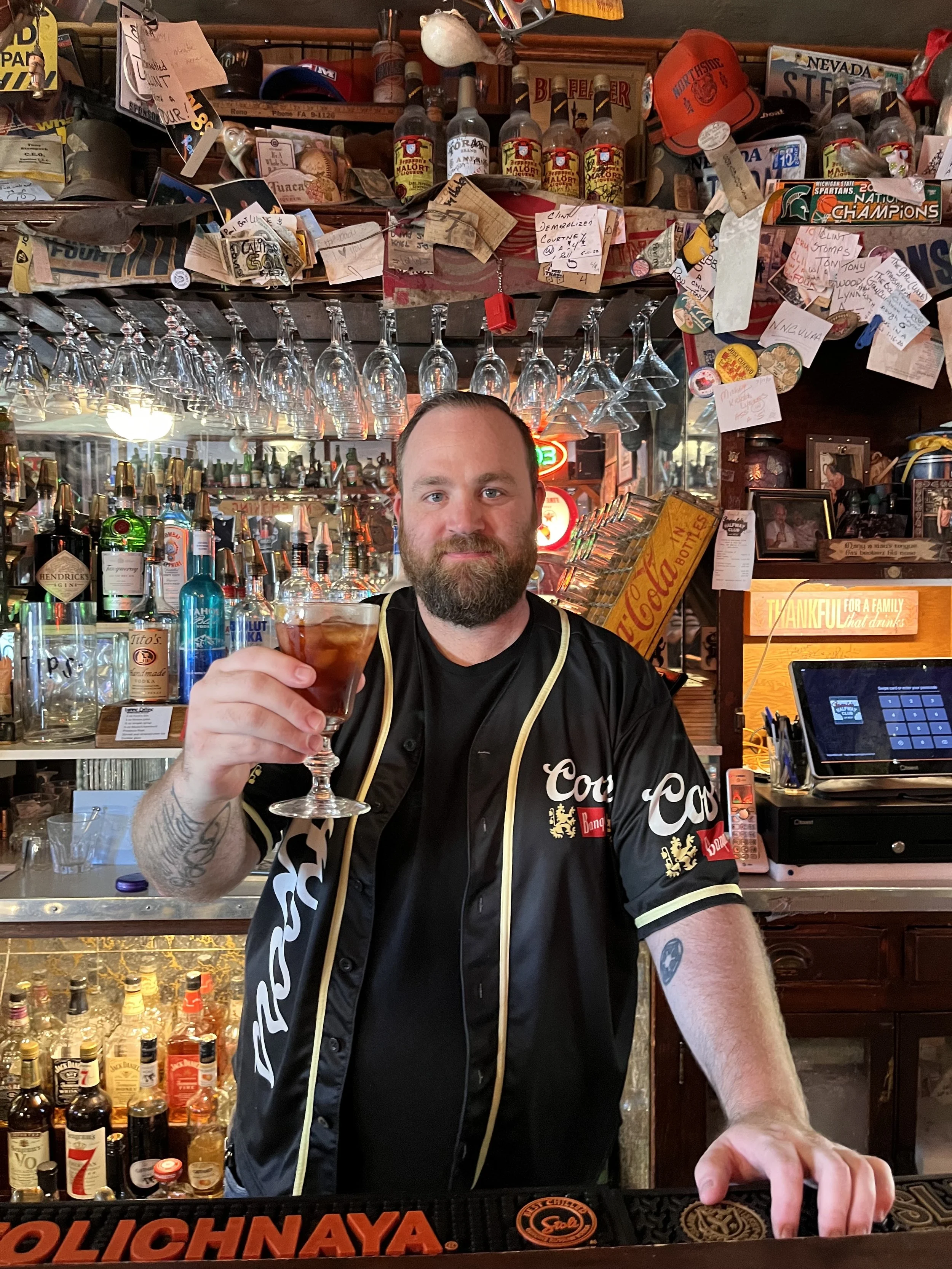
The Wind is produced by me, Fil Corbitt. This independent podcast is made with listener support, if you’d like to help make this show possible head to https://patreon.com/thewind and set up a monthly donation. You can also sign up for free to get updates.
The reporting for this episode was originally for NPR’s All Things Considered.
Thanks to Marie Louise, Etienne, J.B. and Anna Lekumberry along with Ryan Lamb and the whole staff at the JT for keepin it real. Thanks to Chris Barkley at Casale’s Halfway Club and Joe Canella at Ferino Distillery.
There is a new documentary called PiconLand by friend of the show Mark Maynard and Richard Bednarski. Mark helped out with some of the research and I highly recommend the film which talks to folks all over the region. Thanks to Gage Smith (Picon Drinkers of the American West) and Mike Higdon (The origin of the Picon Punch, Reno Gazette Journal) who spoke with me for the 2017 version, Ravenna Koenig, Sydney Martinez (with more Picon information in her book Finding Nevada Wild), Luka Starmer, Sierra Jickling, Mark Nesbitt and everybody who’s ever picked up a round.
Thank you for being here,
Cheers!